
Butane Torch vs. Spanish Cedar Spills: How Flame Temperature Changes Your Cigar’s First Third
Why blasting the foot of a rare cigar with a 2,500°F blue butane torch scorches delicate wrapper oils—and when to use a triple-flame torch, soft flame, or Spanish cedar spill.
Table of Contents
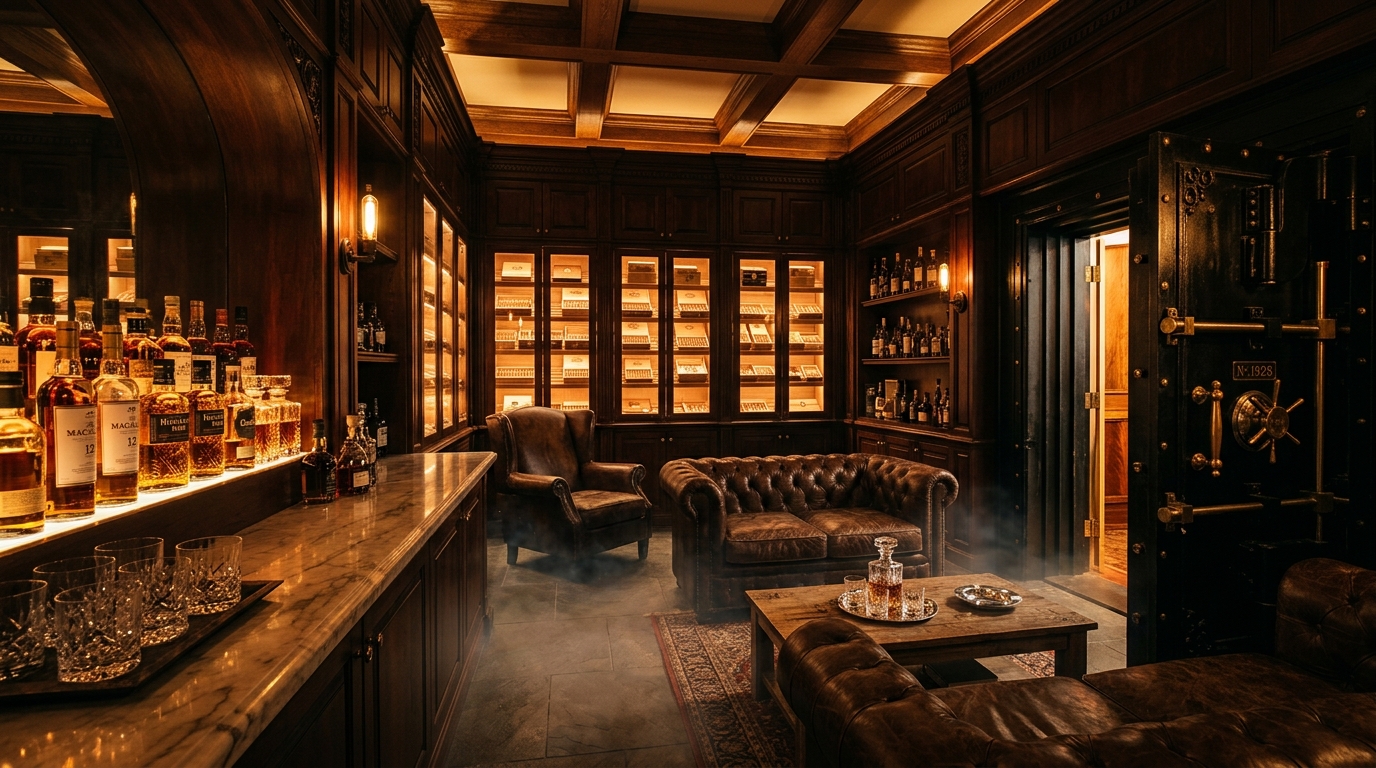
Watch a seasoned collector light a rare $30 cigar in an indoor lounge, and you will notice two things immediately: they never let a blue torch jet touch the tobacco—or they skip the torch altogether and light the foot with a burning strip of Spanish cedar.
Meanwhile, one of the most common mistakes in cigar smoking is burying the foot of a premium stick directly into a 2,500°F triple-jet butane torch, puffing furiously until an inch of wrapper is blackened, and wondering why the first ten minutes taste acrid, metallic, and bitter.
Tobacco combustion is pure thermal chemistry. In this ritual guide, we break down Flame Temperature Science across jet torches, soft flames, and Spanish cedar spills so every cigar you light starts sweet and aromatic from the very first draw.
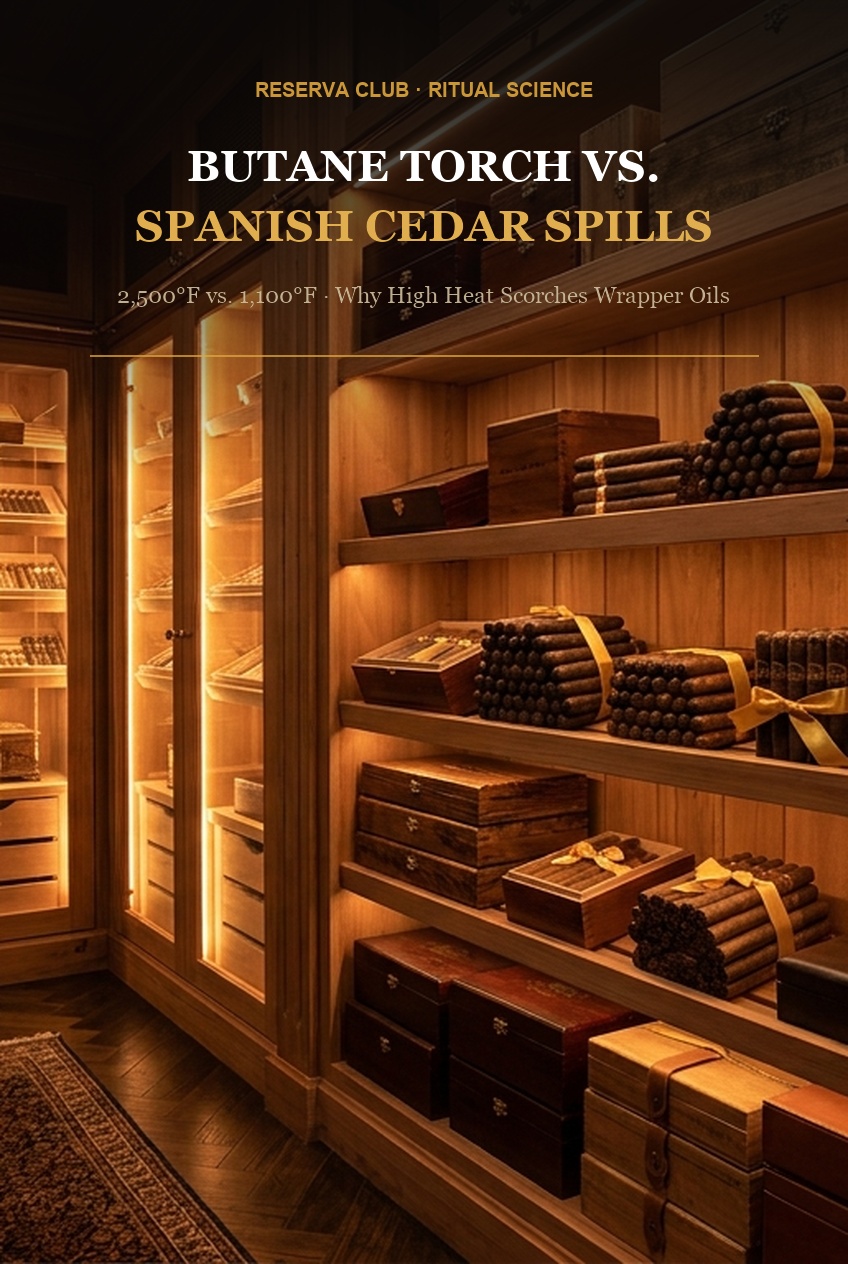
The Thermal Science: Why High Heat Scorches Tobacco Oils
The aromatic magic of a premium cigar lives inside delicate volatile oils and natural sugars in the wrapper and binder leaves.
- Ideal Cigar Smoldering Temp: 800°F to 1,100°F (a cool, cherry-red glow that vaporizes essential oils into sweet smoke).
- Pressurized Jet Torch Temp: 2,400°F to 2,600°F (hot enough to incinerate sugars into bitter carbon char instantly on contact).
When you jam a blue jet flame directly into the foot of a cigar, you pyrolysis-char the tobacco and boil internal moisture into bitter tar—creating a "scorched taste" that takes 15 minutes of smoking to burn past.
Comparing the 3 Connoisseur Lighting Methods
| Lighting Tool | Flame Temperature | Best Environment | Flavor Impact & Technique |
|---|---|---|---|
| Butane Jet Torch (1 to 3 Jets) | ~2,500°F | Outdoor patio, golf course, breezy nights | Zero flavor transfer if held 1.5 inches below the visible blue jet (toast with radiant heat only!) |
| Soft Butane Flame / Sulfur-Free Match | ~1,500°F | Indoor lounge, calm patio | Gentle radiant heat prevents charring; ideal for thin Connecticut & Cameroon wrappers |
| Spanish Cedar Spill | ~1,100°F – 1,300°F | Indoor study or tasting room | Infuses the first third with warm, aromatic Spanish cedar incense and lights at the gentlest possible temperature |
How to Light with a Jet Torch Without Scorching Your Cigar
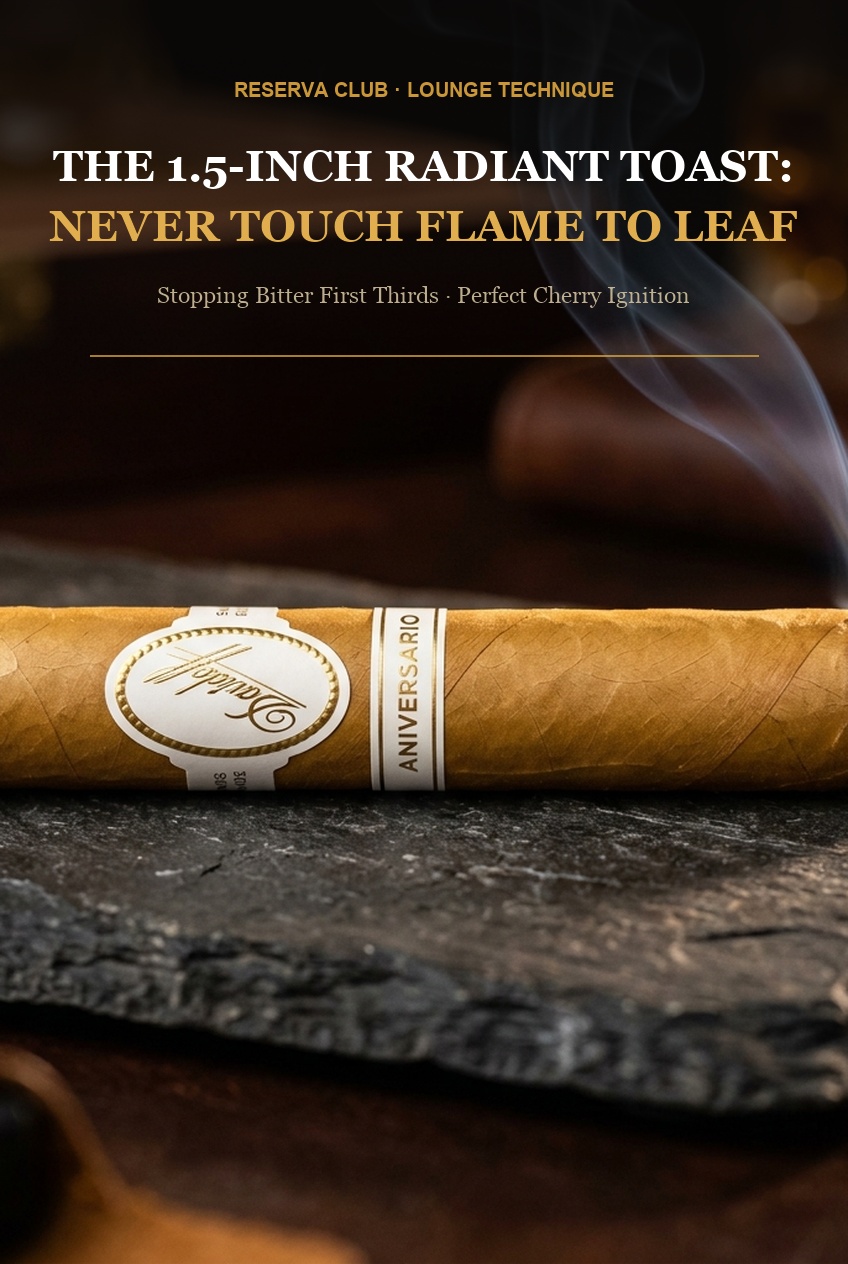
You don't need to give up your favorite Triple-Jet Butane Torch Lighter—you just need to follow the 1.5-Inch Radiant Toast Rule:
- Hold the Cigar at a 45° Angle Above the Flame: Keep the foot of the cigar 1 to 1.5 inches above the tip of the visible blue jet. Never let the blue cone touch the tobacco.
- Toast the Rim First: Rotate the cigar slowly for 10–15 seconds until the outer wrapper rim glows a thin, even orange ring all the way around.
- Draw Gently & Blow on the Foot: Take one slow draw while holding the flame an inch away, then gently blow on the foot to verify an even cherry glow from edge to center.
The Spanish Cedar Spill Ritual (For Indoor Lounges)
Every dress box of Cuban or New World cigars often comes with a thin sheet of Spanish cedar (Cedrela odorata) separating the layers of cigars. Never throw those sheets away!
- Snap off a ¾-inch strip (or keep a box of pre-cut Spanish Cedar Cigar Lighting Spills on your bar cart).
- Light the tip of the cedar strip with a match or torch, hold it vertically so the flame burns steadily upward, and rotate your cigar foot just above the golden cedar flame.
Log Your Cigar Sessions & Ritual Notes in Reserva Club
Track every smoke, burn score, and whiskey pairing in your private Reserva Club journal—complete with AI band scanning and real-time humidor inventory.
More from The Codex
Single Barrel vs. Small Batch Bourbon: Why Honey Barrels Vary & What Collectors Hunt
Read Guide →Corojo vs. Habano Wrapper Cigars: Decoding Red Pepper vs. Cedar Spice & Bourbon Pairings
Read Guide →How to Order a 4-Pour Bourbon Flight: Why Proof & Finish Sequence Matters
Read Guide →Why Cigar Wrappers Crack & Split Mid-Smoke (And How to Stop Humidity Shock)
Read Guide →Double-Oaked vs. Toasted Barrel Bourbon: Woodford Double Oaked, Old Forester 1910 & Cigar Pairings
Read Guide →The Cameroon Wrapper Guide: Why African Tooth & Baking Spice Love High-Rye Bourbon
Read Guide →
Smoke · Sip · Savor
Unite your whiskey shelf and cigar humidor in one private vault.
Claim My Free Vault →Reserva Club is reader-supported. When you purchase through links on our site, we may earn an affiliate commission at no extra cost to you. As an Amazon Associate, we earn from qualifying purchases.